

Rising Incheon Airport Congestion: Critical Terminal Updates
Recent travel data indicates that Incheon Airport Congestion is reaching a critical tipping point, affecting thousands of international travelers. Reports from Incheon International Airport have exposed a significant breakdown in passenger decorum and terminal management. Following a viral incident on July 2 involving a surge of passengers toward check-in counters for a China-bound flight, airport authorities have confirmed a pattern of systemic disruption. Data indicates that at least five similar incidents of mass queue-jumping occurred throughout July, resulting in physical injuries to airline staff and intense pressure on ground operations.
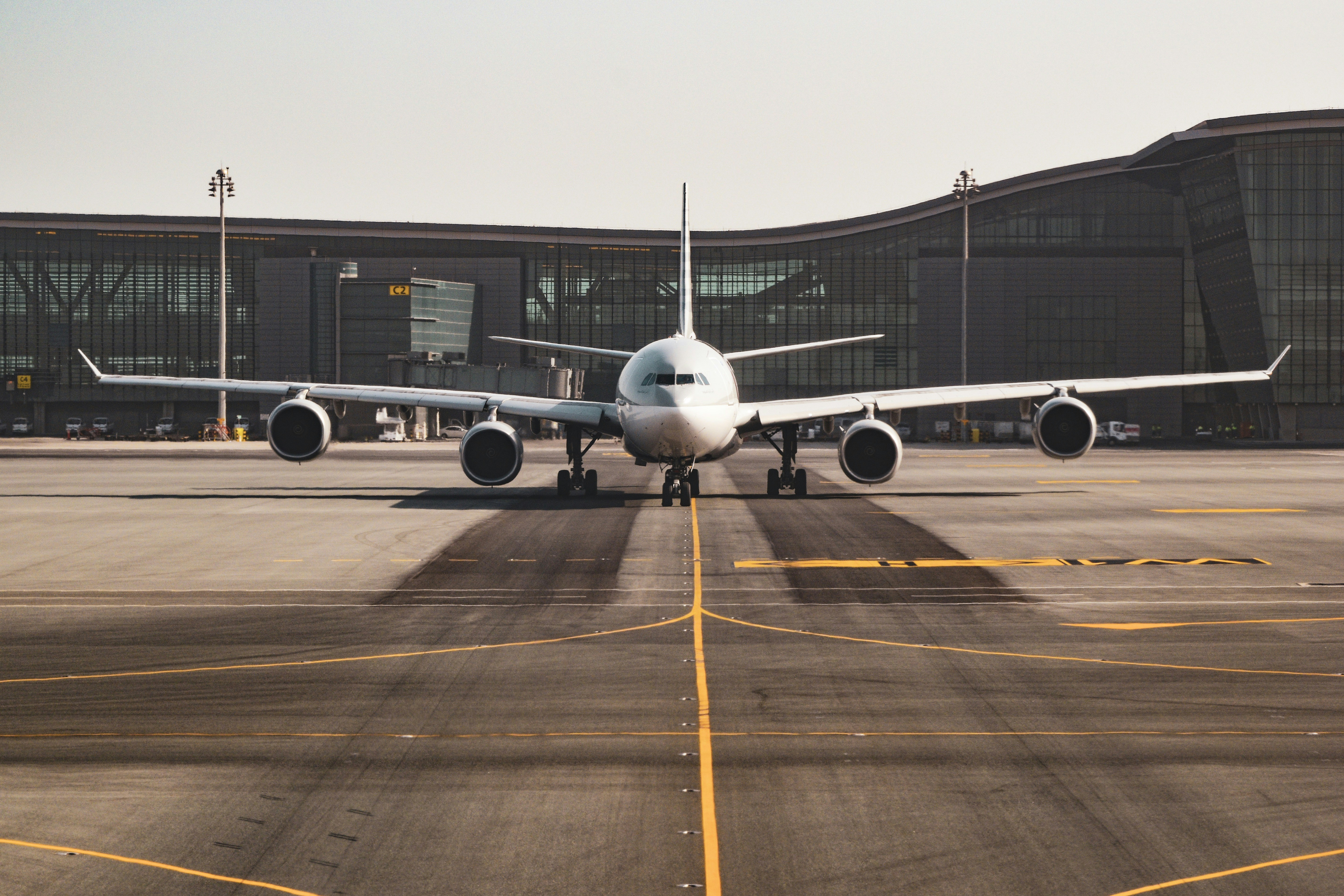
In response to this growing Incheon Airport Congestion, management is actively implementing physical reinforcements, including the installation of rigid partitions between standard retractable belt barriers. While Incheon maintains its status as the second-best airport globally, the sheer volume of 19.78 million international passengers processed in the first quarter of 2026 has pushed existing infrastructure to its limits. For those planning a visit, checking our Complete South Korea Travel Guide can provide additional context on local transport. With high-density traffic continuing, officials are warning of persistent congestion and potential delays for travelers passing through Terminal 1.
Navigating Airport Delays and Terminal Pressure
What This Means For Travelers
If your upcoming travel itinerary includes a transit or departure through Seoul, the traditional “arrive two hours early” rule is now officially obsolete due to Incheon Airport Congestion. The combination of erratic queue behavior and the ongoing installation of new barriers means that processing times at check-in counters are becoming increasingly unpredictable.
Savvy travelers who prioritize peace of mind are currently securing regional flight paths and departure windows that avoid peak morning and afternoon clusters. By adjusting your arrival time to include a broader buffer, you effectively insulate your schedule from the localized chaos. For further safety advice, review our International Transit Safety Resources.
Strategic Travel Planning for High-Volume Hubs
Proactive Solutions for Congested Terminals
- Strategic Time Management: By proactively identifying these emerging bottlenecks, you reclaim control over your travel day. Instead of navigating the high-stress environment of common check-in zones, informed travelers are utilizing private terminal services and verified transit lounges to bypass the fray entirely.
- Elevated Terminal Experience: Navigating a high-density hub requires a recovery strategy. To mitigate the stress of Incheon Airport Congestion, many travelers are opting for premium accommodations nearby. By locking in luxury resort privileges and associated elite lounge access, you ensure your journey remains seamless and restful regardless of the chaos on the public departures floor.
Incheon Security and Staffing Alerts
Critical Safety Factors
The current climate at major hubs like Incheon is volatile. The risk of being caught in a surge is highest during high-traffic holiday windows or sudden flight schedule shifts. Relying on standard procedures during Incheon Airport Congestion peaks is a gamble with your itinerary. Staff are currently overwhelmed; once a queue-jumping incident begins, the probability of delayed bag drops and missed boarding calls increases exponentially. Early intervention and securing your transit arrangements in advance is the only reliable insurance against systemic delays.
Leave a Reply